


Laboratory Equipment & Services Information System
by Centralized Laboratory Management Office (CeLMO)
EQUIPMENT INFO DETAILS
Description
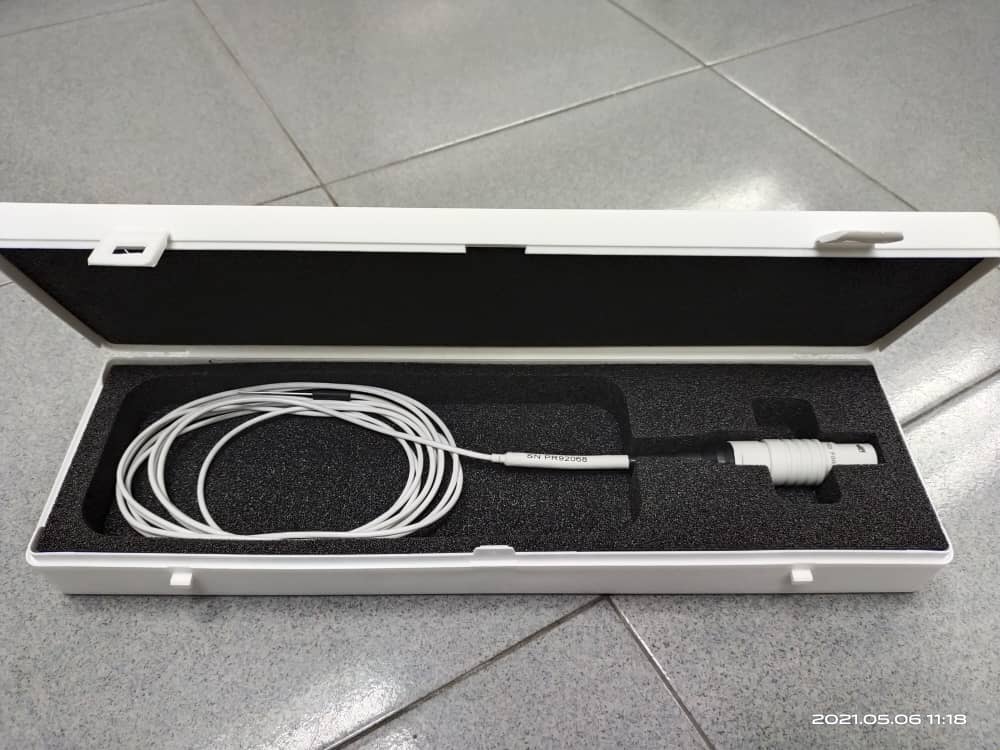
A Laser Doppler Flow Probe System is primarily used to non-invasively measure blood flow in microvascular systems by detecting the Doppler shift of light scattered by moving red blood cells, allowing researchers and clinicians to assess tissue perfusion in various applications like monitoring cerebral blood flow, skin blood flow, wound healing, and assessing the viability of transplanted tissue, all while providing real-time data on relative changes in blood flow within a specific area.
Other Info
Laser Doppler flow meters are used to provide continuous records of blood flow in tissues. An account is given of their principles of operation and of the differences between two of the commercially available instruments: the Periflux model PF3 and the Moor blood flow monitor model MBF3D
Equipment Use
Key points about Laser Doppler Flow Probe Systems:
Non-invasive:
Unlike invasive methods, this system only requires placing a probe on the skin or tissue surface to measure blood flow.
Microvascular focus:
It measures blood flow in the smallest blood vessels (microvasculature) which is crucial for assessing tissue perfusion.
Applications in different fields:
Medical research:
- Studying the effects of drugs on blood flow
- Monitoring tissue viability in transplantation surgery
- Investigating wound healing dynamics
- Assessing microvascular function in diseases like diabetes or peripheral vascular disease
Clinical practice:
- Cerebral perfusion monitoring during surgery or in stroke patients
- Assessing skin blood flow in burn victims
- Monitoring blood flow in flaps after reconstructive surgery
- Evaluating pulpal blood flow in dentistry
How it works:
- Laser light: A laser beam is emitted from the probe and penetrates the tissue.
- Scattered light: Moving red blood cells scatter the light back towards the probe.
- Doppler shift: The frequency of the scattered light is slightly altered due to the movement of blood cells (Doppler effect).
- Signal processing: The probe detects this frequency shift and converts it into a signal representing blood flow.
Important considerations:
- Motion artifacts: Movement of the probe or tissue can introduce noise in the measurements.
- Tissue depth limitations: The probe primarily measures blood flow near the tissue surface.
- Calibration: While most systems provide relative changes in blood flow, absolute blood flow measurements may require additional calibration procedures
- Manufacturer
- Brand
- ADINSTRUMENTS
- Model
- ADINSTRUMENTS IN191
- Year Manufactured
- Year Procured
- 2015
- Department
- PUSAT PENGAJIAN SAINS FARMASI
- Location
- Cardiovascular & Renal Physiology
- Date Registered LESIS
- 31/01/2024

- Category
- Research Equipment
- Function
- Booking,
- Category
- Self operated
- Equipment Status
- Maintenance
Person In-Charge

JUNAIDAH BINTI MOHD SAAD
 © 2023 LESIS USM